
Blog ThriftyEvents.net Guide to Smarter Event Planning
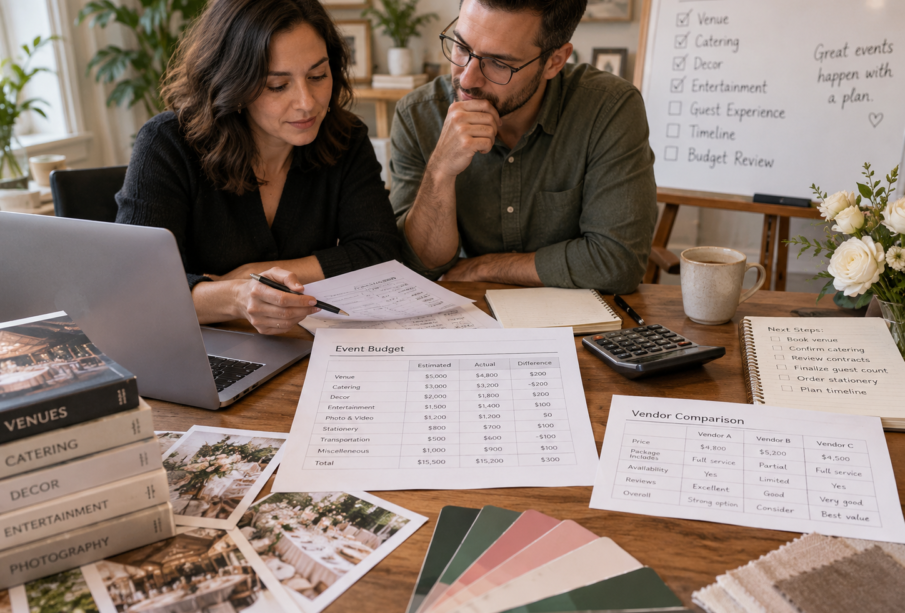
Smart planning ideas for memorable events on a sensible budget.
A memorable event is rarely defined by how much money was spent. Guests are more likely to remember whether they felt welcome, whether the food arrived on time, whether the space was comfortable, and whether the celebration had personality.
That practical idea sits at the heart of blog thriftyevents.net, a resource built around planning enjoyable events while keeping unnecessary expenses under control. The website currently presents Event Planning, Budgeting Tips, and DIY Ideas as its main content areas and describes its broader goal as helping readers celebrate without overspending.
The useful lesson is not simply “choose the cheapest option.” Smart event planning means knowing what deserves your money, what can be simplified, and which expenses add little value to the people attending.
What Is Blog ThriftyEvents.net?
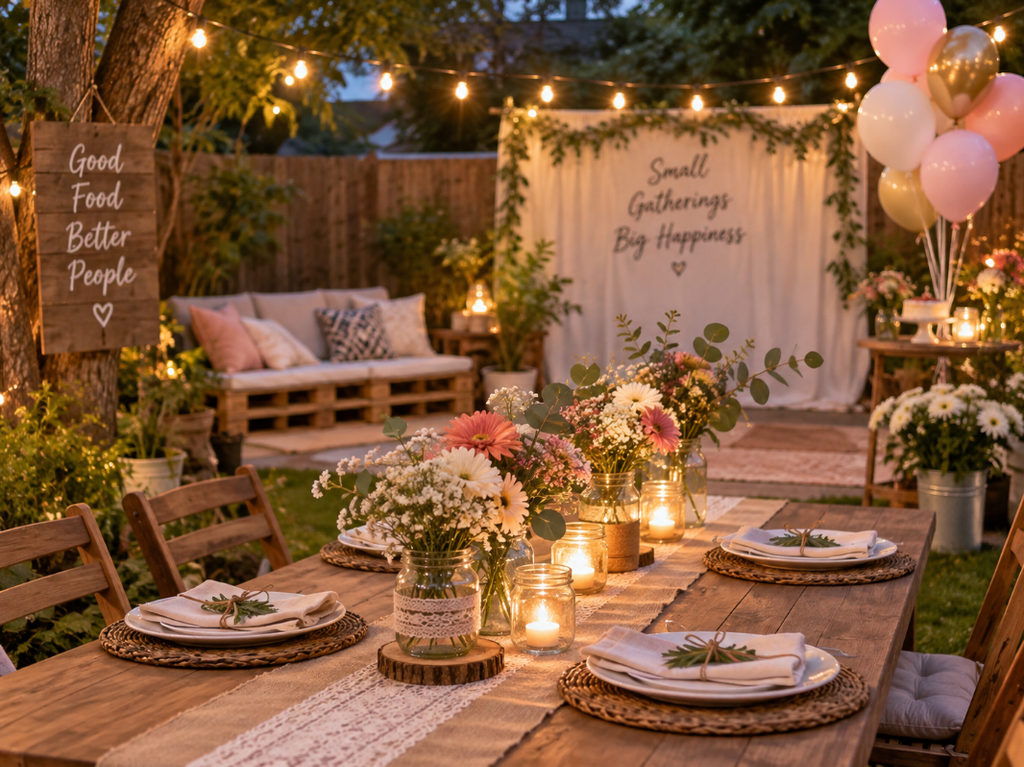
ThriftyEvents.net is primarily an informational website for people interested in affordable event planning, budgeting strategies, and do-it-yourself ideas. Its public content covers subjects such as venues, decorations, planning decisions, financial organization, and practical ways to prepare different kinds of gatherings.
Based on its visible website structure, it is more useful to think of it as an ideas and planning resource than as a complete event-booking service.
That distinction matters.
An article can help you create a checklist or compare options, but actual venue availability, catering prices, vendor contracts, permits, deposits, insurance requirements, and cancellation terms can vary by location and date. Important details should therefore be checked directly before money changes hands.
What Can Readers Find on ThriftyEvents.net?
The site’s strongest event-related content can be divided into three broad areas.
| Content Area | What It Can Help With | Best Use |
|---|---|---|
| Event Planning | Venues, schedules, logistics, vendors | Building an organized plan |
| Budgeting Tips | Cost control and spending decisions | Preventing unnecessary expenses |
| DIY Ideas | Decorations and creative projects | Personalizing an event affordably |
These categories are clearly highlighted on the current homepage. The wider site also publishes some material beyond event planning, which means readers should judge each article individually for relevance and freshness.
Start With the Purpose of the Event
One of the easiest ways to overspend is to start buying things before deciding what the event actually needs to achieve.
A wedding, business conference, birthday party, community fundraiser, and family dinner all require different priorities.
Before comparing decorations or venues, answer four questions:
- Why is the event being held?
- Who needs to attend?
- What experience should guests have?
- Which three things matter most?
For a birthday party, those priorities might be food, entertainment, and photography.
For a business event, they may be presentation quality, networking space, and reliable audiovisual equipment.
Knowing the priorities makes budget decisions easier because optional purchases can be compared against a clear purpose.
Build a Budget Before Booking Anything
A budget should be created before major bookings, not after.
Start with the maximum amount you can comfortably spend. Then divide expenses into essential, flexible, and optional categories.
Essential Costs
These may include:
- Venue
- Catering
- Required equipment
- Transportation
- Staffing
- Security
- Permits or insurance where required
Flexible Costs
These can often be adjusted according to available money:
- Decorations
- Flowers
- Entertainment
- Photography
- Printed materials
- Guest favors
Optional Costs
These are extras that may improve the event but are not necessary for it to function.
Examples include premium décor upgrades, elaborate gift bags, luxury transportation, or expensive custom installations.
A useful budget should also contain a contingency amount for costs that were not obvious at the beginning.
Watch for Hidden Event Costs
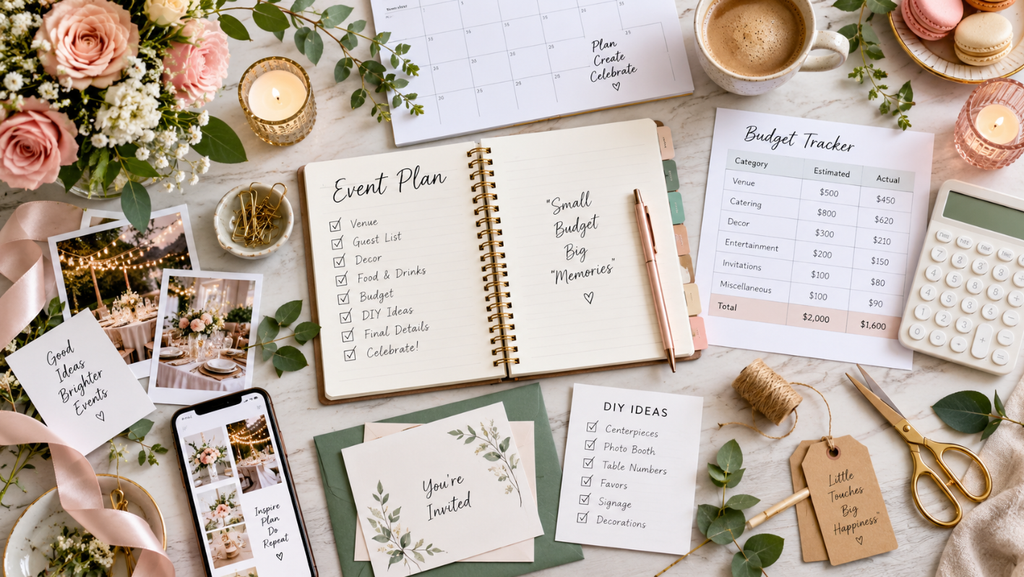
Many events exceed their budgets because planners compare headline prices instead of total prices.
A venue that appears inexpensive may charge separately for tables, chairs, cleaning, parking, security, electricity, overtime, or equipment.
A catering quote may exclude service charges, delivery, staffing, tableware, or taxes.
Before agreeing to any supplier, ask for the complete expected cost in writing.
Important questions include:
- What exactly is included?
- Are setup and cleanup included?
- Are there overtime charges?
- Is delivery extra?
- What is the deposit?
- Is the deposit refundable?
- What happens if the event date changes?
- Are taxes or service charges separate?
- Are there minimum guest requirements?
The lowest starting price is not always the lowest final price.
Compare Vendors by Value Instead of Price Alone
Choosing the cheapest supplier can create expensive problems if the service is unreliable.
Compare vendors using several factors rather than one number.
Consider price, included services, reputation, response time, cancellation terms, experience, backup arrangements, and how clearly everything is documented.
For example, Vendor A may charge $800 while Vendor B charges $950.
Vendor B might still offer better value if the price includes delivery, setup, collection, equipment support, and an easier cancellation policy that Vendor A charges separately for.
Smart budgeting looks at the complete package.
Decide When DIY Actually Saves Money
DIY decorations are one of the most attractive parts of budget event planning because they can make a celebration feel personal.
However, homemade does not automatically mean cheaper.
Imagine that ready-made decorations cost $250.
You find materials for $120, which appears to save $130. But you may also need tools, transport, printing, replacement materials, storage, and several hours of work.
Calculate the real cost before beginning.
DIY works particularly well for simple projects such as:
- Table numbers
- Welcome signs
- Photo displays
- Menu cards
- Small centerpieces
- Favor packaging
- Reusable decorative pieces
Professional help is usually more sensible when a project involves electrical work, large installations, specialist equipment, safety risks, or a very tight schedule.
Control the Guest List Early
Guest count affects almost every variable expense.
Adding more people may increase spending on food, drinks, seating, tables, invitations, favors, transportation, staff, and sometimes even the required venue size.
This makes guest-list management one of the most effective budgeting tools available.
Instead of asking how much can be saved from every centerpiece, first consider whether the attendance estimate is realistic.
A smaller event with a better experience can often be more memorable than a larger event where the available budget has been spread too thinly.
Save on the Venue Without Sacrificing Convenience
The venue is often one of the biggest decisions because it influences many other costs.
Before choosing a location, look beyond appearance.
Ask whether the venue already provides:
- Tables and chairs
- Sound equipment
- Lighting
- Parking
- Kitchen facilities
- Cleaning
- Security
- Setup time
A venue with a slightly higher rental fee may reduce spending elsewhere.
You can also consider community spaces, restaurants with private areas, gardens where appropriate, smaller halls, off-peak dates, or venues that require less decoration.
Convenience has financial value too. A cheaper location that requires expensive transport, equipment rental, or extensive setup may not produce real savings.
Spend More Where Guests Notice the Difference
Budget planning should not reduce everything equally.
Instead, protect the parts of the event that directly affect comfort, safety, and enjoyment.
Guests are likely to notice poor food, long queues, insufficient seating, uncomfortable temperatures, bad sound, or confusing organization.
They may not notice that expensive flowers were replaced with simpler decorations.
This creates a useful rule:
Cut costs where the difference is small and protect spending where the experience is affected.
That principle works for weddings, parties, corporate functions, school events, and community gatherings.
Use Event Advice as a Starting Point
The most sensible way to use blog thriftyevents.net is to turn useful ideas into your own planning system rather than copying recommendations without checking them.
Online advice can help you:
- Identify expenses you forgot.
- Create questions for suppliers.
- Compare alternatives.
- Build checklists.
- Find DIY inspiration.
- Organize a planning timeline.
After that, replace general information with real local details.
Request current quotes. Read contracts carefully. Confirm availability. Check local requirements. Verify any supplier before paying a deposit.
This combination of online research and real-world verification produces much stronger decisions.
Common Mistakes That Make Affordable Events Expensive
Saving money becomes difficult when planning is rushed.
One common mistake is booking a venue immediately because the advertised price looks good. Another is beginning multiple DIY projects without calculating material and time costs.
Other mistakes include:
- Forgetting delivery charges
- Ignoring cancellation policies
- Ordering too much food
- Changing plans repeatedly
- Booking suppliers without written details
- Buying decorations that will only be used once
- Leaving major decisions until the final week
- Having no contingency budget
Good organization often saves more money than aggressive cost cutting.
A Simple Planning Process
A practical event can be organized using the following sequence:
Step 1 Define the Goal
Know what the event must accomplish.
Step 2 Confirm the Guest Estimate
Create a realistic attendance range.
Step 3 Set the Maximum Budget
Decide what you can spend before contacting suppliers.
Step 4 Choose Your Priorities
Identify the areas where quality matters most.
Step 5 Compare Venues and Vendors
Compare full costs, not advertised prices.
Step 6 Decide What to DIY
Choose projects based on real savings and available time.
Step 7 Track Every Expense
Record both estimated and actual spending.
Step 8 Prepare Backup Plans
Consider weather, cancellations, technical problems, and supplier delays.
Step 9 Review the Final Plan
Confirm timings, payments, guest details, responsibilities, and emergency contacts.
Is Thrifty Event Planning the Same as Cheap Event Planning?
No.
Cheap planning usually focuses on paying the lowest possible price.
Thrifty planning focuses on receiving good value from a limited amount of money.
There is an important difference.
A thrifty planner may willingly spend more on reliable catering while reducing spending on decorations. Another planner may rent equipment instead of buying it because the equipment will only be needed once.
The objective is not minimum spending.
The objective is avoiding waste.
Conclusion
A useful budget event resource should do more than provide lists of inexpensive ideas. It should help readers understand the consequences of each decision and encourage them to compare price, quality, convenience, risk, and guest experience together.
That is the most practical way to approach blog thriftyevents.net. Use its planning, budgeting, and DIY content for inspiration and organization, but combine those ideas with current local quotes and your own event requirements.
The best affordable event is not the event where the least money was spent. It is the event where the available budget was used deliberately.
FAQs
Is ThriftyEvents.net mainly an event-planning website?
Its current homepage strongly emphasizes event planning, budgeting tips, and DIY ideas. However, some recent content covers broader subjects, so readers should choose articles that closely match their planning needs.
Can the site help with wedding planning?
Yes. Budgeting principles, DIY ideas, venue decisions, decorations, supplier comparisons, and guest planning can all be applied to weddings.
Can businesses use the advice for corporate events?
Yes. The same principles apply to business events, although corporate planners may also need to consider measurable objectives, audiovisual requirements, branding, accessibility, security, and attendee logistics.
Is DIY always the cheapest option?
No. Materials, equipment, mistakes, transportation, and the value of your time can make DIY more expensive than buying or renting.
Should I trust event prices mentioned online?
Treat example prices as general information unless they have been independently verified for your location and event date. Vendor pricing, availability, taxes, and package inclusions can change.
What is the best way to use blog thriftyevents.net?
Use it for ideas, budgeting guidance, checklists, DIY inspiration, and questions to ask vendors. Then verify important prices, policies, contracts, availability, and local requirements independently.
For more updates visit: PostFame



Leave a reply




The Rubik theme is the best Premium WordPress Themes that perfect for news, magazine, personal blog, etc. It’s never been easier to build a standout website.